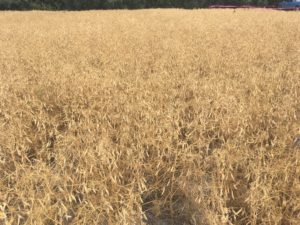
Grain Pea Production in North Carolina
Grain peas are a legume, like soybeans, that can be produced in North Carolina over the winter months with …


 Sponsor of Fork to Farms Videos
El inglés es el idioma de control de esta página. En la medida en que haya algún conflicto entre la traducción al inglés y la traducción, el inglés prevalece.
Al hacer clic en el enlace de traducción se activa un servicio de traducción gratuito para convertir la página al español. Al igual que con cualquier traducción por Internet, la conversión no es sensible al contexto y puede que no traduzca el texto en su significado original. NC State Extension no garantiza la exactitud del texto traducido. Por favor, tenga en cuenta que algunas aplicaciones y/o servicios pueden no funcionar como se espera cuando se traducen.
Inglês é o idioma de controle desta página. Na medida que haja algum conflito entre o texto original em Inglês e a tradução, o Inglês prevalece.
Ao clicar no link de tradução, um serviço gratuito de tradução será ativado para converter a página para o Português. Como em qualquer tradução pela internet, a conversão não é sensivel ao contexto e pode não ocorrer a tradução para o significado orginal. O serviço de Extensão da Carolina do Norte (NC State Extension) não garante a exatidão do texto traduzido. Por favor, observe que algumas funções ou serviços podem não funcionar como esperado após a tradução.
English is the controlling language of this page. To the extent there is any conflict between the English text and the translation, English controls.
Clicking on the translation link activates a free translation service to convert the page to Spanish. As with any Internet translation, the conversion is not context-sensitive and may not translate the text to its original meaning. NC State Extension does not guarantee the accuracy of the translated text. Please note that some applications and/or services may not function as expected when translated.
Collapse ▲Grain peas are a legume, like soybeans, that can be produced in North Carolina over the winter months with …

Have questions about late-season insect and disease management? Nematode sampling? Want to learn about the new historical basis tool …

Upcoming 4-H Volunteer Training We are excited to share about some upcoming 4-H volunteer training. All training is offered to …

Although stink bugs were light across the state (with a few exceptions) in corn and cotton, it looks like …

In the midst of the COVID-19 pandemic, it is reasonable to try and make fewer trips to the supermarket …
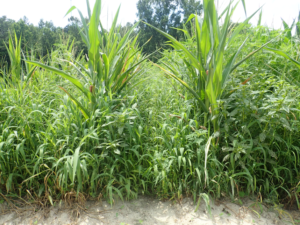
This season I received several complaints of Texas panicum infestations in corn. To get ahead of this emerging pest, …

Have questions about late-season insect and disease management? Want to learn about the new historical basis tool developed by …

Volunteers are the heart of the North Carolina 4-H program. Their energy and commitment create positive opportunities for young …
8/28/2020 – The following message is from the N.C. Department of Agriculture and Consumer Services’ International Trade Office. Any …

As expected, the prolonged dry and hot weather that occurred in many areas in North Carolina has not only …

Before procuring your cover crop seed for planting this fall, please watch the video below on the potential weed …

Written by Dominic Reisig, Lindsey Thiessen, and Rachel Vann Soybean pod damage can be caused by a variety of pests …

I’m asking for your help. The Census response rate for Carteret County has been lower than expected but there is …

Should I treat this cotton for bollworm eggs, plant bugs or stink bugs? This is a question I have …

View Webinar In this webinar, Lee Stiles speaks about his experience with substance misuse and the organization he founded to …

By Kim Outing Master Gardener℠ intern in Chatham County Raised beds, containers, and garden tables are accessible, flexible, and productive ways to …